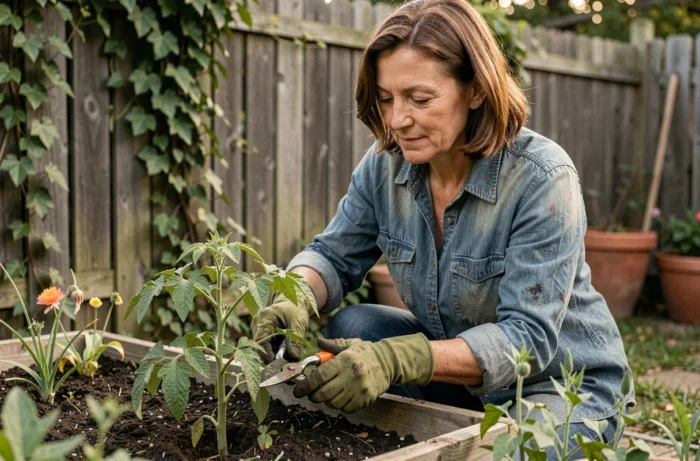
A garden that remains pleasant in January as in July relies less on the time spent than on the right action at the right moment. Each season imposes its own constraints on the soil, plants, and lawn. Adapting garden maintenance to this natural rhythm avoids costly catch-ups and weakened plants. Here are the concrete guidelines that make a difference all year round.
Pruning Residues in the Garden: a Resource, Not Waste
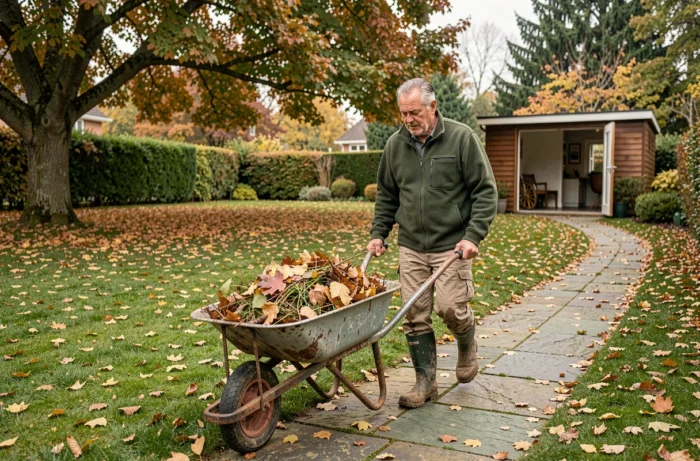
Have you ever noticed those piles of cut branches that accumulate after pruning? The temptation is to dispose of everything at the waste disposal site. However, these residues have a real utility for the garden soil.
The principle is simple: shred the branches and twigs to obtain coarse mulch. This mulch, spread in a layer over the flower beds or at the foot of hedges, acts as a natural mulch that retains soil moisture and slows the growth of unwanted weeds. The Aix-Marseille-Provence Metropolis recommends this practice and reminds that burning green waste in the open air is prohibited.
To access Conseil Jardinage and delve deeper into these techniques, just a few targeted readings on shredding and composting are needed. The mulch can also feed a composter: mixed with kitchen scraps, it decomposes in a few months and provides a rich amendment for the vegetable garden.
If you do not own a shredder, inquire with your municipality or intercommunal authority. Some communities offer free shredding services or lend equipment.
Garden Watering: Adjusting Frequency to Soil and Weather
Watering is not just about pulling out the hose when the plants are thirsty. Poorly calibrated watering causes as much damage as a lack of water. Too much moisture encourages fungal diseases, while too little stresses the roots.
Observe the Soil Before Watering
Insert a finger into the soil a few centimeters deep. If the soil is still cool below the surface, there is no need to water. This check takes a few seconds and prevents waste.
Watering in the evening limits evaporation and allows water to penetrate slowly overnight. In the height of summer, morning watering (before 8 a.m.) also works, provided the foliage has time to dry before the heat intensifies.
Water Restrictions: Check Before Watering
During dry spells, the rules can change quickly. Prefectural orders may completely prohibit watering gardens in certain areas. Check VigiEau and local orders before connecting your watering system, even after a rain event. Restrictions are not always lifted immediately.
Trimming Hedges and Plants: Respecting the Calendar and Regulations
Pruning at the wrong time risks weakening a shrub or destroying a bird’s nest during nesting season. Two practical guidelines can help you navigate this.
- The period from March 16 to August 15 is often cited as a pruning prohibition. In reality, this rule concerns agricultural operators within the framework of CAP aids. It does not constitute a national prohibition for private gardens.
- However, destroying an active nest or disturbing a protected species remains punishable, regardless of the land status. Before significant pruning, visually inspect the hedge.
- Your prefecture or town hall may impose additional local rules. A quick call or a visit to the town hall’s website is enough to clear up any doubts.
For spring-flowering shrubs (forsythia, lilac), prune just after flowering. Summer-flowering shrubs (buddleia, lavatera) should be pruned at the end of winter, before the vegetation resumes.
Lawn Maintenance Season by Season
The lawn often occupies the largest area of the garden. Its maintenance follows a predictable cycle, provided that key steps are not skipped.
Spring: Scarification and First Mowing
The soil emerges from winter compacted, with a layer of moss and thatch that prevents water and air from reaching the roots. Scarification breaks this crust. Run the scarifier once, collect the residues, then perform the first mowing at a fairly high cutting height. Mowing too short in spring weakens the grass for the rest of the season.
Summer: Mow High, Water Little but Well
In summer, raise the cutting height. Longer grass develops deeper roots and better withstands heat. If watering restrictions apply, the lawn will yellow but will recover in autumn with the return of rain.
Autumn and Winter: Feed and Protect
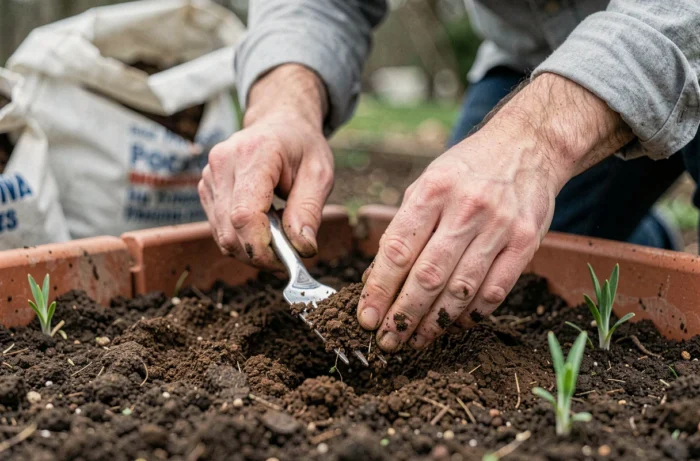
Autumn is the ideal time to sow grass seed in bare areas. A surface application of compost nourishes the soil without resorting to chemical fertilizers. In winter, avoid walking on frozen grass: broken blades take time to regenerate.
Gardening Tools: Maintain Equipment for Longevity
A rusty pruner or a dull mower blade complicates every task and damages plants instead of cutting them cleanly. A few simple habits extend the lifespan of the equipment.
- Clean the blades after each use. A cloth soaked in denatured alcohol is enough to remove sap, which promotes corrosion.
- Sharpen pruners and shears at least twice a year, in early spring and in autumn before winter pruning.
- Store tools away from moisture. A wall hook in a garden shed is inexpensive and prevents wooden handles from rotting when in contact with the ground.
- Drain the mower and check the spark plug before the first mowing of the year. A poorly maintained engine consumes more and cuts less effectively.
A well-maintained garden all year round is primarily a series of small regular actions rather than a major seasonal project. The mulch that nourishes the soil, the pruning done at the right time, the lawn mowed to the right height: each detail adds up to reduce long-term work. Just remember to check local rules before each intervention, as regulations often evolve faster than habits.